
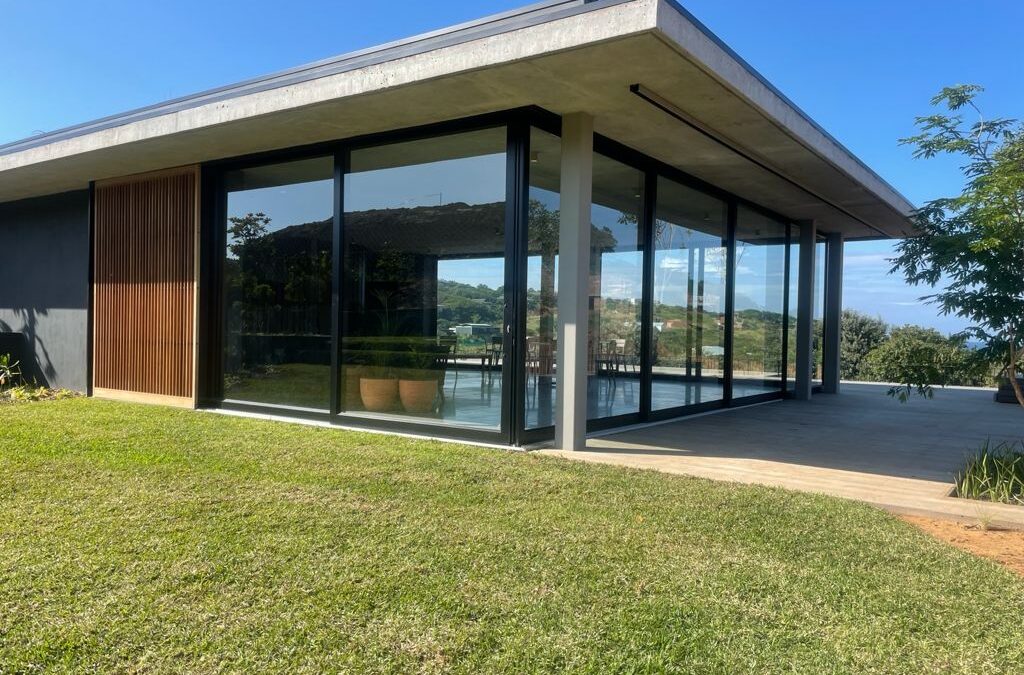
Energy efficiency is no longer a nice-to-have in South African buildings. It’s becoming a baseline expectation, shaped by regulation, rising electricity costs, and growing pressure to design buildings that perform better in real-world conditions.
As we move through 2025, developers, homeowners, and property owners across KwaZulu-Natal are asking the same question: what do South Africa’s energy regulations actually mean for aluminium windows and doors? And more importantly, how do you make the right choices without over-engineering or overspending?
The Regulatory Framework: What’s Already in Place
South Africa’s energy efficiency requirements for buildings are governed primarily by SANS 10400-XA, which forms part of the National Building Regulations. While this standard has been evolving over several years, enforcement and scrutiny are tightening, particularly for new builds, major renovations, and commercial developments.
SANS 10400-XA focuses on reducing energy demand by regulating how buildings manage heat gain and heat loss. This includes requirements around:
- Insulation performance.
- Solar heat gain.
- Energy usage calculations.
- The thermal performance of building elements, including windows and doors.
Windows, roofs and doors are critical because they represent some of the largest thermal weak points in a building envelope.
Why Windows and Doors Matter More Than You Think
Poorly specified windows and doors can:
- Allow excessive heat gain in summer.
- Increase reliance on air-conditioning.
- Create condensation and moisture problems.
- Undermine the performance of otherwise compliant buildings.
From a regulatory perspective, fenestration (windows and doors) directly affects whether a building meets its energy usage targets under SANS 10400-XA. This is where aluminium systems either become a strength or a liability.
Aluminium and Energy Efficiency: Clearing Up a Common Misconception
Aluminium is often misunderstood in energy conversations. On its own, aluminium is a highly conductive material, which means poorly designed aluminium frames can transfer heat easily.
However, modern architectural aluminium systems are not bare metal frames. High-quality aluminium windows and doors are engineered with:
- Thermal breaks that separate internal and external frame sections.
- Advanced glazing options that reduce heat transfer.
- Tight sealing systems that limit air leakage.
When specified correctly, aluminium frames can meet – and support – current energy efficiency requirements without compromising durability or design.
What 2025 Means in Practical Terms
Rather than introducing an entirely new set of rules, 2025 represents a period of greater enforcement and accountability. Building plans are being assessed more carefully, energy calculations are scrutinised, and developers are expected to demonstrate compliance.
For aluminium windows and doors, this means:
- Thermal Performance Can’t Be an Afterthought
Frames without thermal breaks may struggle to meet energy targets, particularly in commercial or mixed-use developments. Thermally broken aluminium systems are increasingly the default, not the upgrade.
- Glazing and Frames Must Work Together
Energy compliance isn’t achieved by glazing alone. Even high-performance glass can underperform if it’s paired with a poorly designed frame.
- Coastal Conditions Still Matter
KZN’s humidity and salt exposure complicate energy regulations. Systems must manage heat and withstand corrosion without degrading over time.
What This Means for Developers
For developers, energy regulations affect more than approvals. They influence:
- Long-term operating costs.
- Tenant comfort and satisfaction.
- Maintenance cycles.
- Asset value and resale potential.
Choosing aluminium windows and doors that support energy efficiency reduces the risk of redesigns, plan resubmissions, or costly retrofits later. Working with experienced suppliers and installers ensures systems are selected with both compliance and local conditions in mind.
Choosing Aluminium Systems That Align With the Regulations
Avoid cheap or poorly specified aluminium as far as you can. High-quality aluminium systems designed for South African conditions can deliver:
- Structural strength.
- Coastal durability.
- Modern aesthetics.
- Energy performance that aligns with current regulations.
The difference lies in system design, thermal detailing, glazing compatibility, and installation quality.
Building for Performance, Not Just Compliance
South Africa’s 2026 energy landscape is pushing the industry toward smarter buildings. Aluminium windows and doors play a meaningful role in that shift when they’re specified correctly. For projects in KwaZulu-Natal, the smartest approach is to work with partners who understand both the regulations and the realities of coastal construction.
Talk to ParaGone about aluminium windows and doors designed to meet today’s energy requirements and perform reliably for years to come.
Avoid These 5 Hidden Risks When Choosing Aluminium Windows
Building Better Offices in Ballito: Why Developers Choose Aluminium Partitions and Shopfronts
Everything You Ever Wanted to Know About Aluminium Windows, Doors & Gates