
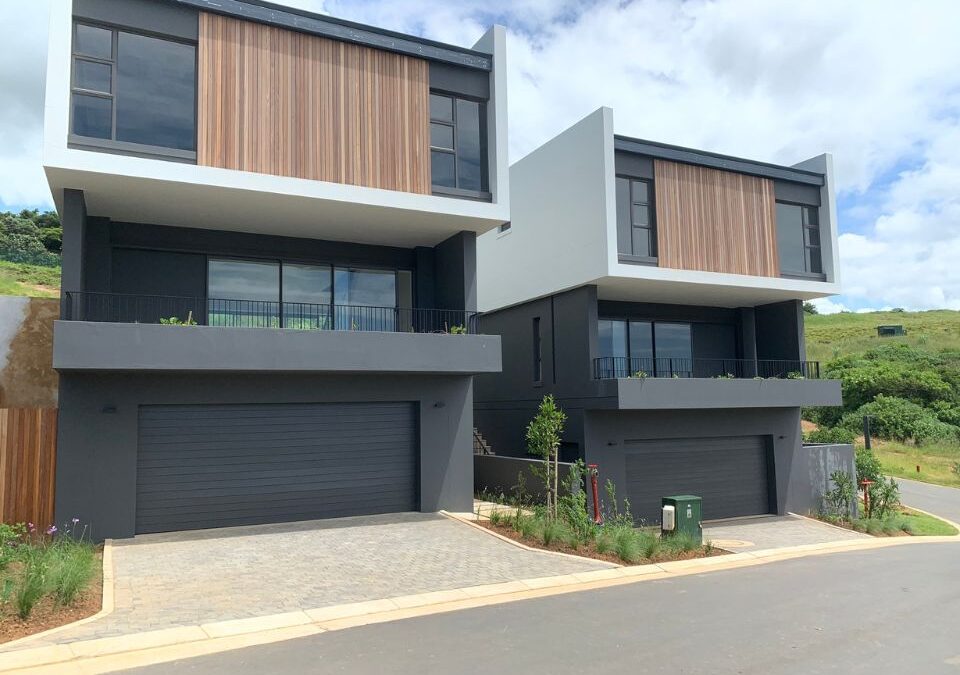
On paper, aluminium windows all look the same: clean lines, modern finishes and sleek frames. It’s easy to assume one supplier is as good as the next. But beneath that surface simplicity are decisions that affect everything from energy efficiency to long-term durability.
For developers working along KwaZulu-Natal’s coast, the stakes are even higher. Humidity, salt exposure, storm systems, and heavy UV all push window systems to their limits. The wrong choice can lead to years of maintenance issues.
Let’s look at five risks that don’t always show up in the quote and what you can do to avoid them.
Believing All Aluminium Frames Are Created Equal
One of the most significant hidden risks is treating aluminium like a single product. Yes, aluminium is a strong, lightweight metal, but the systems built around it vary dramatically between manufacturers.
Cheaper suppliers may use:
- Thinner extrusions that flex over time.
- Weaker alloys that are not designed for structural loads.
- Minimal weather seals that fail under coastal conditions.
- Poor-quality joinery, especially at corners.
The result? Frames that look fine on day one, but start to distort, leak, or rattle within a few seasons.
How to avoid it:
Choose suppliers that use architectural-grade systems with proven performance. Ask how thick the profiles are, what alloy is used, and whether the seals and gaskets are designed for coastal pressure cycles. Quality aluminium isn’t just metal. It’s engineering.
Underestimating Coastal Corrosion Factors
KwaZulu-Natal’s coastline is beautiful but harsh. Salt-laden air, humidity, and constant UV exposure accelerate corrosion dramatically. Even aluminium, which is naturally corrosion-resistant, can degrade if the coating or hardware isn’t up to standard.
Hidden corrosion risks include:
- Pitting in inadequately coated aluminium.
- Chalky fading caused by inferior powder coatings.
- Corroded hinges and handles made from low-grade metal.
- Bubbling or peeling coatings from poor pretreatment processes.
Once corrosion sets in, the frame becomes rough, discoloured, and harder to maintain. Hardware failures follow quickly.
How to avoid it:
Specify marine-grade powder coating, quality pretreatment, and stainless-steel or corrosion-resistant hardware. Experienced coastal installers like ParaGone understand how frames behave over time in KZN’s climate and choose systems accordingly.
Forgetting About Thermal Breaks
Thermal breaks are the quiet heroes of aluminium performance. Unfortunately, it’s one of the most overlooked factors when buyers chase the cheapest quote.
Without a thermal break, aluminium becomes a conductor, allowing heat and cold to pass straight through the frame. That leads to:
- Increased air-conditioning costs.
- Warm or cold spots around windows.
- Condensation that creates mould, damp patches, and peeling paint.
- Stress on glazing seals that eventually crack.
- Difficulty complying with SANS 10400-XA energy requirements.
Thermal breaks aren’t marketing extras; they make the difference between a building that performs and one that’s constantly fighting the climate.
How to avoid it:
Always confirm whether a system is thermally broken, not just double-glazed. The two are not the same thing. ParaGone’s systems incorporate proper thermal separation designed for South African conditions. It’s a must for modern commercial or mixed-use developments.
Overlooking The Hardware That Holds Everything Together
Developers often focus on the frame and the glass. Yet, it’s the hardware that keeps the whole system functioning. Cheap aluminium windows often pair decent frames with:
- Low-grade rollers.
- Poor-quality hinges.
- Fragile locking mechanisms.
- Untested sliders that jam under coastal grit.
The window looks premium but behaves like a budget product. These failures show up fast in high-traffic environments, where tenants open and close windows and doors dozens of times a day.
How to avoid it:
Where applicable, specify hardware that’s built for commercial use, not residential light duty. Branded rollers, certified locking systems, and corrosion-resistant hinges dramatically increase lifespan and tenant satisfaction.
Ignoring The Installation Quality
Even the best aluminium system will fail if it’s installed poorly. This is the risk that developers often underestimate the most.
Common installation failures include:
- Frames installed out of square.
- Gaps that allow water or air infiltration.
- Improper sealing in coastal areas.
- Misaligned glazing that strains the frame.
- Inconsistent fixings that cause rattling or buckling.
A poor installation hides behind a clean façade until the first heavy rain or summer humidity exposes it.
How to avoid it:
Work with an installer who controls the process end-to-end, not a supplier who hands your job off to the cheapest subcontractor. ParaGone’s team handles consultation, configuration, and installation themselves. Our team ensures the system performs exactly as designed.
Choosing Aluminium the Smart Way
Developers don’t need to become aluminium specialists; they just need a partner who understands the technical risks that most people never see.
When you choose systems that are engineered for strength, coastal resistance, thermal performance, and hardware reliability, you’re not just buying a window. You’re protecting your project’s long-term value, reducing callbacks, and delivering a building that performs exactly as it should.
Want windows that stand the test of KZN’s climate?
Talk to us at ParaGone about aluminium systems designed to look good, perform consistently, and last for decades.
Are Aluminium Windows Really Worth the Money?
From Bush to Beach: Why Aluminium Windows Work in Every North Coast Setting
Selling Your Home? How Aluminium Fixtures Add Instant Resale Value